Three Photographs, One Step Forward
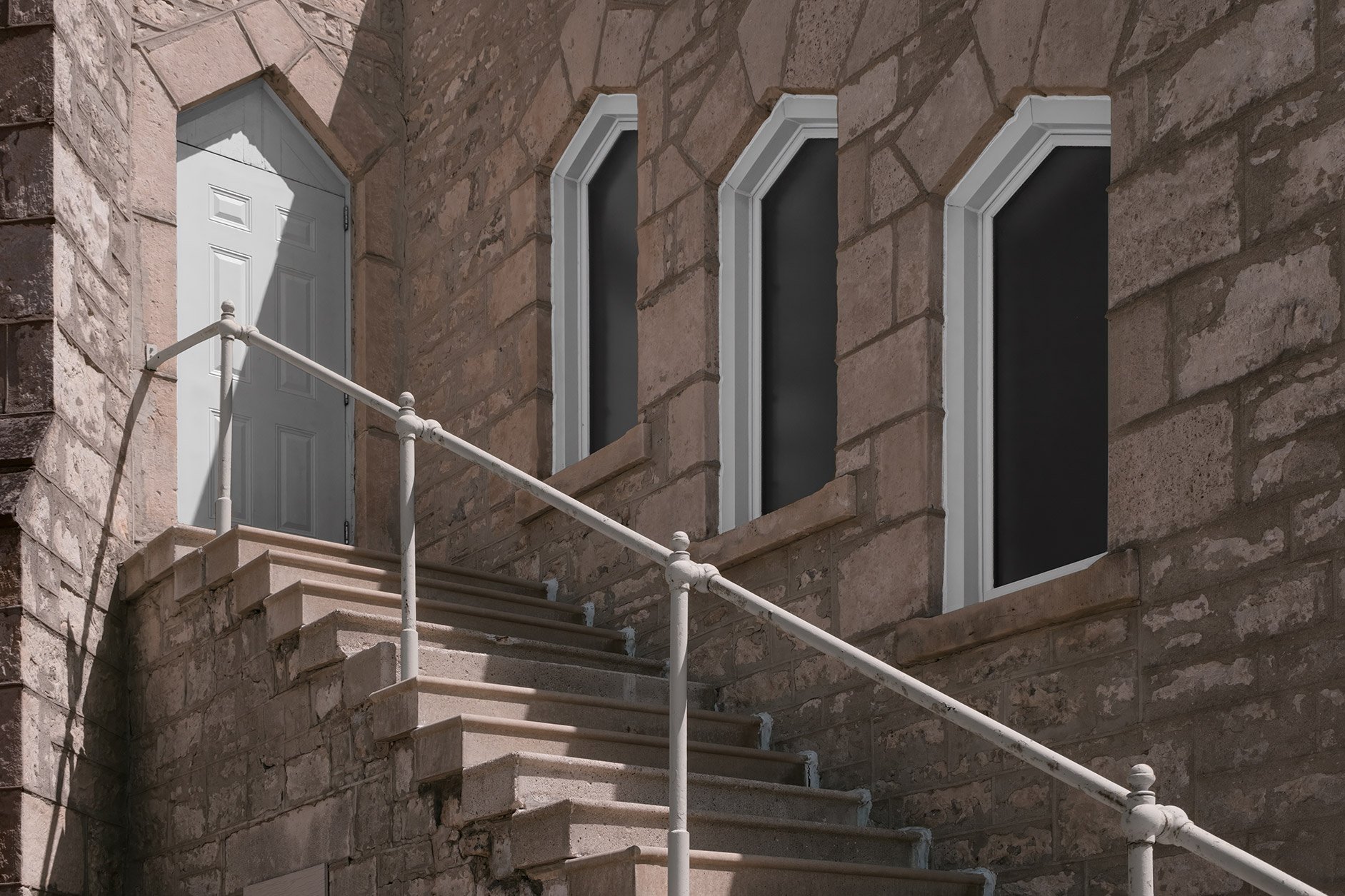
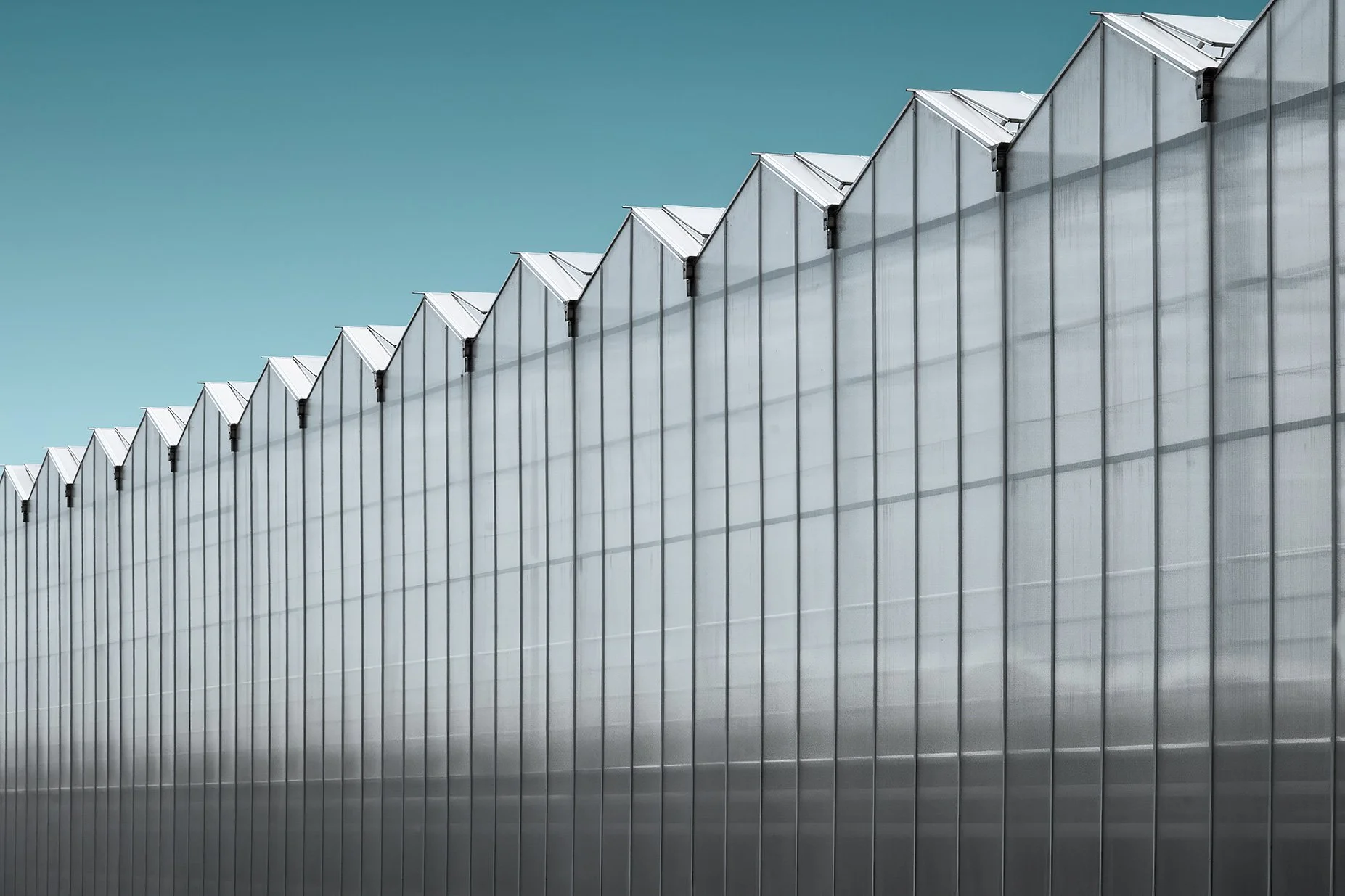
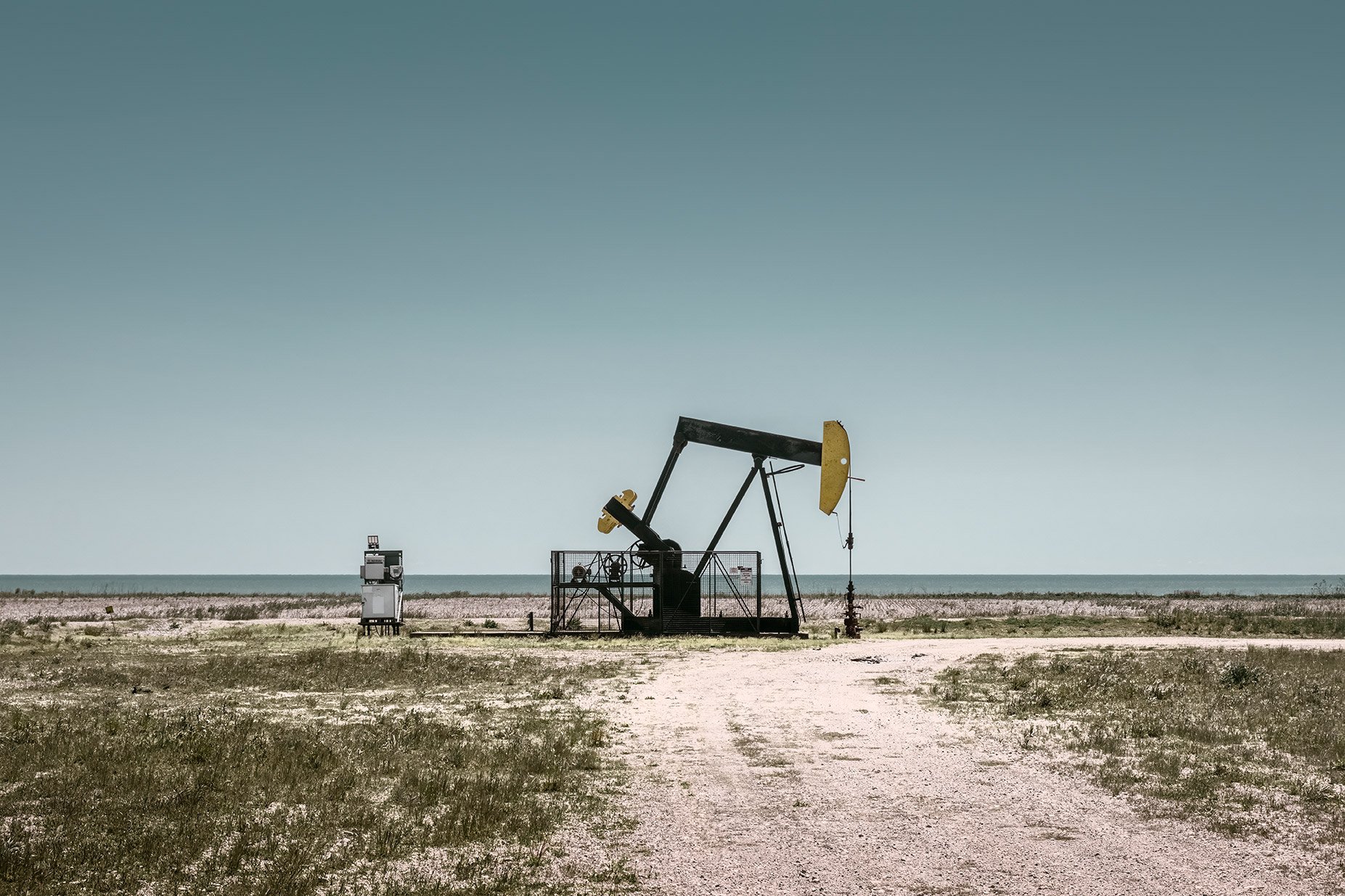
Today I submitted three photographs to Alamy: Church Door, Greenhouse, and Pumpjack.
It may be a modest beginning, but it feels like an important one.
Each image had to be carefully prepared and examined at full size. Dust spots were removed, details checked, colour profiles confirmed, metadata inspected, and final JPEGs created according to Alamy’s requirements. After all that work, the photographs are now waiting for quality control.
Church Door
Church Door is built around stone, shadow, and repetition. The staircase and railing lead toward the white door while the three dark windows hold the right side of the composition. It is a photograph about architecture, but also about passage, access, and what remains closed to us.
Greenhouse
Greenhouse is quieter and more graphic. The repeating rooftops climb across the frame beneath a clear blue sky. A practical agricultural structure becomes a study in rhythm, geometry, translucency, and light.
Pumpjack
Pumpjack stands alone in a broad, almost empty landscape. The machinery is small beneath the enormous sky, yet its presence changes everything around it. The image speaks about industry, energy, isolation, and the complicated relationship between the land and the structures we place upon it.
Although the three photographs show very different subjects, they share something important. They are all shaped by human purpose, but no people are visible. The church, greenhouse, and pumpjack each suggest work, belief, industry, and occupation through the structures left standing in the landscape.
They also belong naturally within my larger body of work. My attention continues to settle on quiet places, overlooked structures, repetition, space, and evidence of human activity. These are not dramatic scenes. Their meaning emerges more slowly.
Submitting photographs to a stock agency is different from preparing work for a gallery or print collection. The images must retain my way of seeing while also having enough clarity and usefulness to work within an editorial or commercial context. I do not see those purposes as incompatible. A photograph can remain thoughtful and personal while also finding a practical life beyond the photographer.
For now, the three files are sitting in Alamy’s quality-control queue.
There is nothing more to adjust, inspect, or second-guess. The work has been completed and the photographs have been sent out into the world.
Now comes the difficult part.
Waiting.